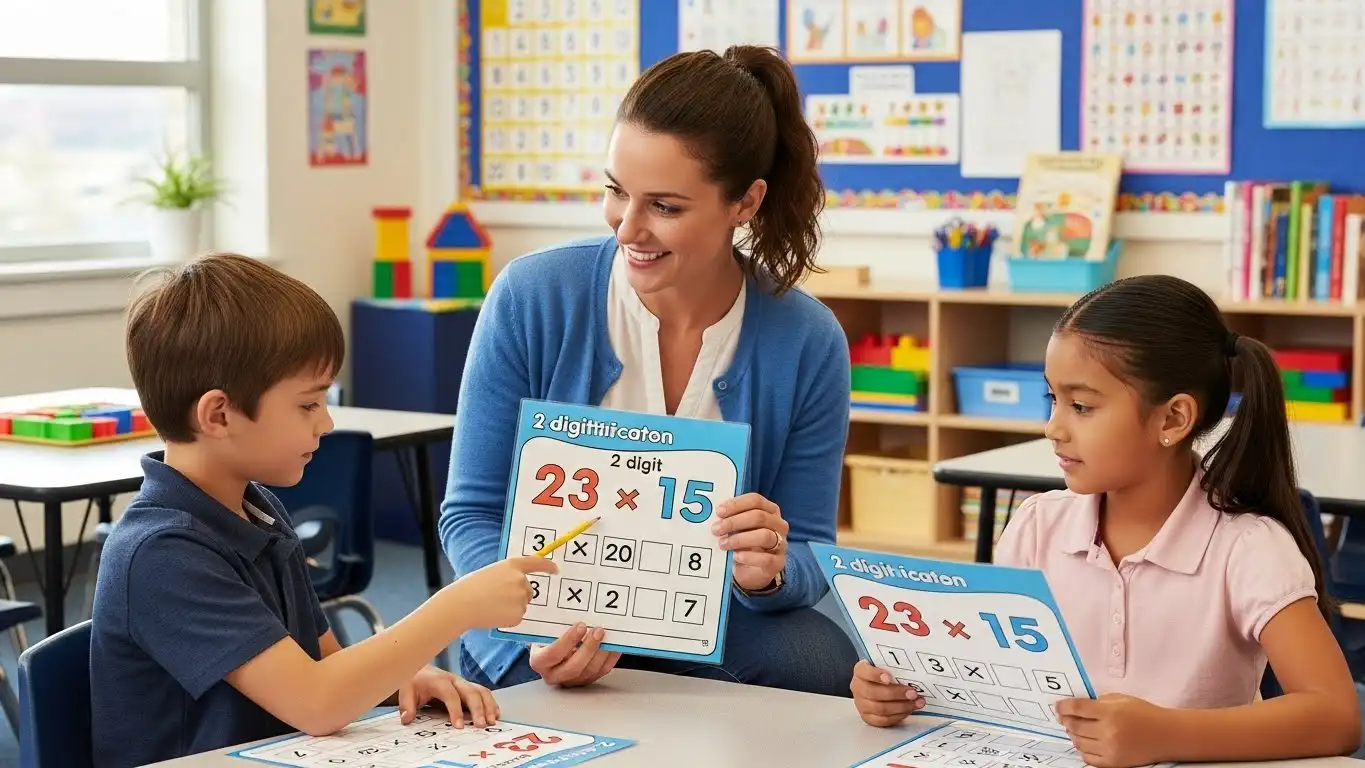
Math doesn't always have to be about repetitive drills and flashcards. Sometimes, the best way to learn is through a game. This is where number maze worksheets shine.
Imagine a maze where the walls are numbers. Instead of just finding an open path, students must follow a specific math rule to reach the exit. It turns learning into a little adventure.
Whether you are a teacher looking for a quiet classroom activity or a parent helping with homework, number mazes are a fantastic tool. Let's explore what they are and why they work so well.
What is a Number Maze?
A number maze is a puzzle grid filled with numbers. The goal is to start at a designated box and draw a line to the finish box by connecting numbers in a specific order.
For young children, the rule might be simple counting: 1, 2, 3, 4, and so on. For older students, the rule might involve skip counting by 2s, 5s, or even following multiples of a number.
It is like a treasure hunt. To find the safe path, you have to know your numbers.
How Number Maze Worksheets Help Learning
Why should you use them? Because they engage the brain differently than a standard worksheet.
- Focus and Attention: Scanning the grid to find the next number requires concentration.
- Number Recognition: Students must quickly identify and differentiate numbers.
- Logical Sequencing: It reinforces the order of numbers, which is crucial for early math skills.
- Fun Factor: It feels like a puzzle, not a test. This lowers math anxiety.
Examples of Number Maze Activities
You can adapt these mazes for different skill levels. Here are a few common types:
1. Simple Counting Maze:
This is perfect for beginners. The student starts at 1 and draws a line to 2, then 3, all the way to 10 or 20. It solidifies basic counting skills.
2. Skip Counting Maze:
For a slightly harder challenge, create a maze where students count by 2s (2, 4, 6...) or 10s (10, 20, 30...). This builds multiplication foundations.
3. Even/Odd Maze:
In this version, the path is made entirely of even numbers or odd numbers. The student must avoid the "wrong" numbers to stay on the path.
Create Your Own Mazes?
You don't need to draw them by hand. Use our free tool to generate custom number mazes for your students in seconds.
Generate MazeUnderstanding Complex Number Mazes
For advanced students, you can introduce a complex number maze. These involve more difficult operations.
Instead of just counting, the path might follow the answers to math problems. For example, "Follow the multiples of 7" or "Connect the prime numbers."
When working with these harder puzzles, having a complex number maze answer key is helpful. It allows students to self-correct and verify their path without needing a teacher to check every step immediately.
A Note on Search Terms
You might stumble upon terms like "maza itin number" or "itin number maza" while searching online. Sometimes, people even look for "maza itin number numero de telefono".
In the context of math education, these are often misspellings or confusion with other topics. When we talk about number mazes here, we are strictly focusing on the educational math puzzles used in classrooms to teach counting and logic.
Tips for Parents and Teachers
If you notice your student struggling with a traditional worksheet, try switching to a maze.
Start with a small grid (like 5x5) to build confidence. Once they get the hang of it, move to larger grids. You can also incorporate other math worksheets to keep their practice varied and interesting.
Math is a skill that grows with practice. Using fun activities like mazes ensures that students keep practicing without getting bored.

Ronit Shill
Founder, ToolsBomb